Water damage restoration in Pueblo County, CO
Fast local response
you can trust.
A burst pipe in Bessemer and a monsoon backup near the Riverwalk need different crews, different equipment, different timelines. WDR Pueblo connects you to local water damage restoration crews serving Pueblo County who match the job to what's actually happening at your property.
What to do right now
- Shut off the water supply if it's a pipe or fixture. The main shutoff is usually near the meter at the front of the house or in the basement.
- Kill electricity to affected areas at the breaker panel. Don't walk through standing water to reach it.
- Move irreplaceables off wet floors. Furniture can wait; photos and documents can't.
- Open windows and interior doors. Won't fix anything, but slows mold development.
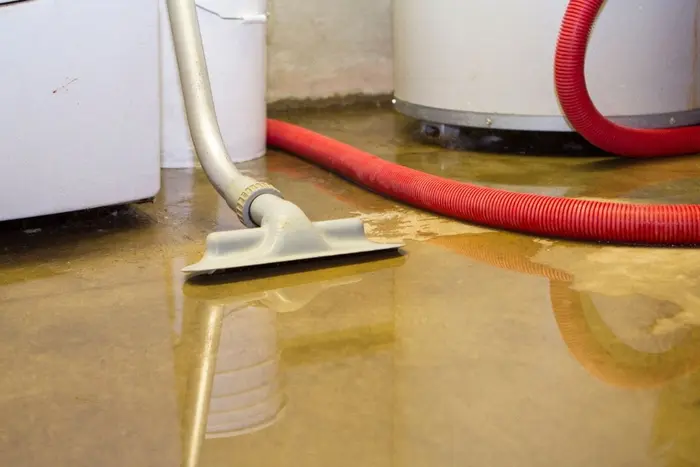
- Don't vacuum standing water. Household vacuums aren't built for it. Electrocution risk is real.
- Call (719) 652-6112 and describe what you're seeing. If you need your water shut off, Pueblo Water Department is (719) 584-0250.
Services
Burst and frozen pipes
Pueblo's steel-mill-era housing stock still runs original galvanized plumbing in places. Freeze-thaw cycles in January and February find the weak points. When a pipe goes, water extraction and structural drying need to start before moisture reaches wall cavities.
Monsoon storm intrusion
Front Range thunderstorms drop heavy rain in under an hour. Basement flooding near drainage channels and lower-level additions is common during July and August. Flood damage from storm intrusion requires a different approach to a slow plumbing leak.
Sewage backup and black water
Sewage backup cleanup means contamination protocols from the start. PPE, material removal, and full sanitization - not a mop-and-fan job. Category 3 water changes what can be saved and what gets cut out.
Structural drying and dehumidification
Surface-dry isn't dry. Moisture trapped behind drywall can become a mold problem within weeks if it isn't monitored with meters and extracted using industrial dehumidification and air movers. This is the step that separates water damage repair from water damage repeated.
Appliance leaks
Water heaters, washing machines, dishwashers, refrigerator ice lines. Slow-burn problems that go unnoticed until flooring buckles or ceilings stain. Usually category 1 clean water, but the damage footprint is often larger than it looks by the time it's visible.
Roof leaks
Storm damage or aging flashing lets water in above. Attic insulation holds that moisture invisibly until ceiling damage appears below. Water removal from roof intrusion often involves areas you can't access without cutting in.
Crawl space moisture
Common in Pueblo's older housing, especially where clay-heavy soils push groundwater against foundations. Moisture wicks up into subfloors and framing. Often found during inspections, not by visible signs.
Mold risk mitigation
Colorado's dry climate helps compared to humid states - but a slow leak inside a wall cavity doesn't care about the weather outside. Early moisture removal and targeted dehumidification is the difference between a contained event and a remediation job.
Office and retail water damage
Lost trading hours cost money on top of the physical damage. Commercial water damage restoration involves coordination with building management, tenant notification, and after-hours access to minimize disruption.
Warehouse and industrial
Large footprint means large drying scope. Equipment placement, power supply logistics, and access for heavy water extraction equipment across open-plan commercial spaces.
Multi-unit residential
Apartment and condo buildings. Water travels between floors and units. Multiple insurers, multiple tenants, one coordinated response across the building.
Restaurant and food service
Health code compliance adds urgency. Contamination protocols, equipment protection, and documentation for licensing bodies on top of the standard water damage cleanup scope.
How it works
Phone assessment
Describe what you're seeing. Get immediate advice on what to do and not do before anyone arrives.
On-site inspection
Moisture meters and thermal imaging map the full damage footprint - including behind walls and under floors where water damage isn't visible.
Water extraction
Industrial pumps and extractors remove standing water. Speed at the water removal stage determines how much secondary damage follows.
Structural drying
Commercial dehumidifiers and air movers run until moisture readings hit target levels. Monitored daily with meters, not guessed.
Restoration
Damaged materials repaired or replaced once everything is verified dry. The goal is returning your property to pre-loss condition.
Water damage categories
Supply lines, faucets, appliance feeds. Most materials saveable if caught within 24-48 hours.
Washing machines, dishwashers, toilet overflow without solids. Porous materials usually need replacing.
Sewage, floodwater, anything that's contacted soil or biological waste. Full contamination protocols required.
Why water damage looks different in Pueblo
Aging housing stock
Much of the housing near the older grid dates from the steel-mill era - before modern plumbing codes, flood mapping, or drainage standards. Original galvanized lines, settling foundations, and unmodernized crawl spaces create failure points that newer Pueblo West subdivisions don't share. Clay-heavy soils across parts of Pueblo County also affect how water moves around foundations, pushing groundwater into basements and crawl spaces during wet periods.
Monsoon season and the Arkansas River
Pueblo's relationship with water goes back to the 1921 flood, when the Arkansas River and Fountain Creek overran downtown in an event that reshaped the entire city - it's a big part of why the levee and Riverwalk system exist today. Summer monsoon cells still drop heavy rain with little warning, particularly in July and August, overwhelming storm drainage in lower-elevation neighborhoods and causing flash flood damage across the county.
What you need to know about claims
Document everything from the start
Photos, moisture readings, a clear record of what was done and when. This is the single biggest factor in how smoothly your water damage insurance claim goes. Ask about documentation before any water damage restoration work begins.
Flood vs water damage
Standard Colorado homeowner's policies cover sudden and accidental water damage - burst pipes, appliance failures. External water entering the property (rising rivers, storm drain backups, surface water intrusion) requires separate NFIP or private flood coverage. Different policies, different claims processes.
Where we operate
Covering downtown Pueblo, Bessemer, the Mesa, Belmont, Aberdeen, Mesa Junction, Lake Minnequa, University Park, Sunset Park, Pueblo West, Blende, Salt Creek, and Vineland.
Not sure if you're in range? Call and ask - you'll have your answer in seconds.
(719) 652-6112Straight answers
Water spreading? Don't wait.
One call gets you to a local crew in Pueblo County.
(719) 652-6112No obligation. No hidden fees. Homes and businesses across Pueblo County.